
Product Development Chatbot VSA
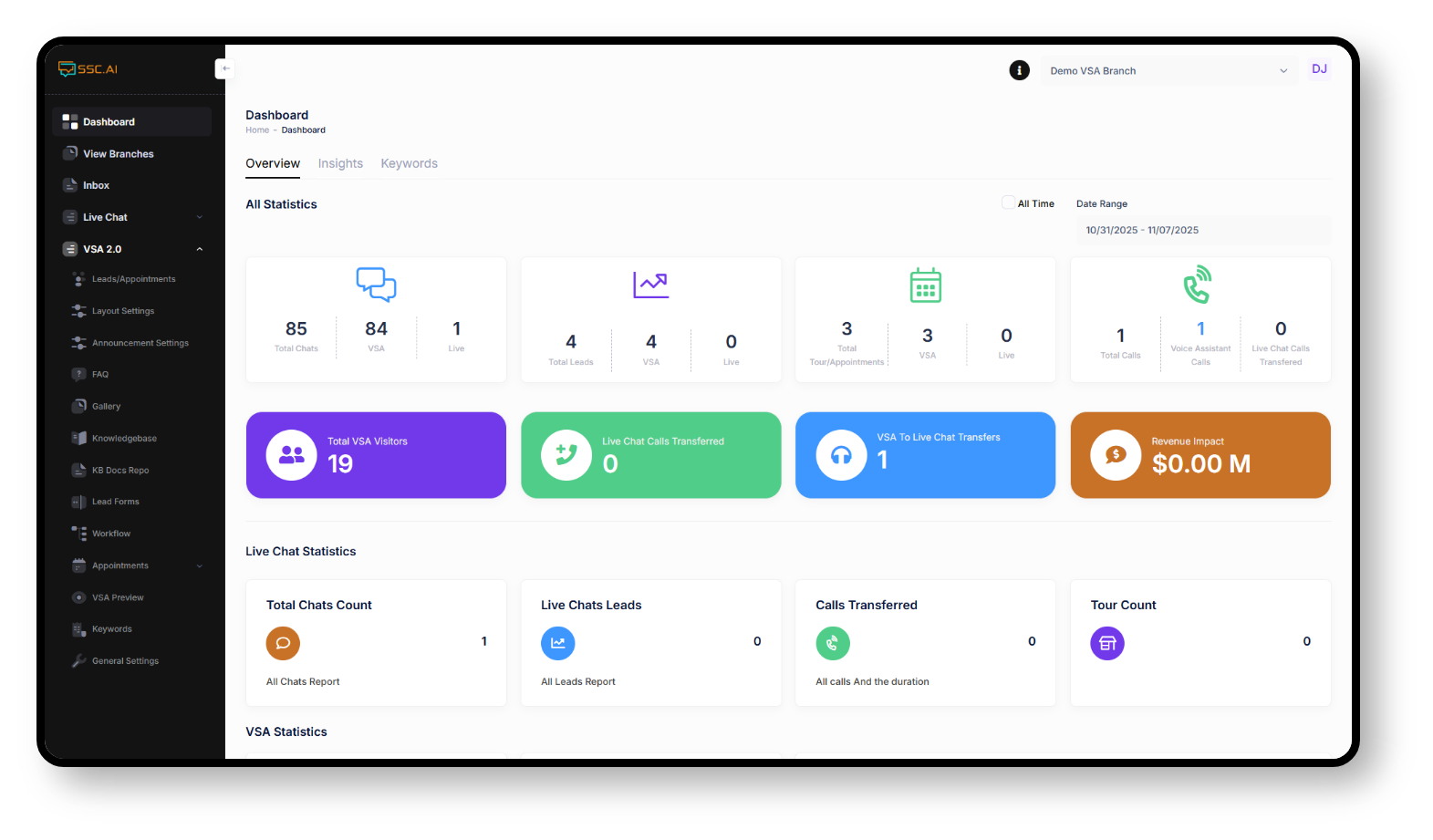
Product Development Chatbot VSA
In today's fast-paced digital landscape, businesses are increasingly seeking innovative ways to streamline customer support, enhance user engagement, and boost lead generation. Our client, a mid-sized B2B service provider, approached Scrum Digital intending to automate their customer interaction processes without compromising the personalized experience their brand was known for.
Scrum Digital stepped in to design and develop a custom AI-powered chatbot tailored to their specific business needs. The objective was clear: create an intuitive, responsive, and intelligent conversational assistant that could handle real-time customer queries, qualify leads, and seamlessly integrate with the client’s CRM and knowledge base.
Through a deep understanding of the client's customer journey and communication pain points, our team developed a chatbot solution that not only reduced manual workload but also elevated user satisfaction. Built with advanced NLP (Natural Language Processing) capabilities, the chatbot was able to answer complex queries, suggest relevant resources, and offer 24/7 support, ensuring no opportunity was missed, even outside business hours.
The chatbot project became a cornerstone of the client's broader digital transformation strategy, marking a significant step toward automation, scalability, and smarter customer engagement.
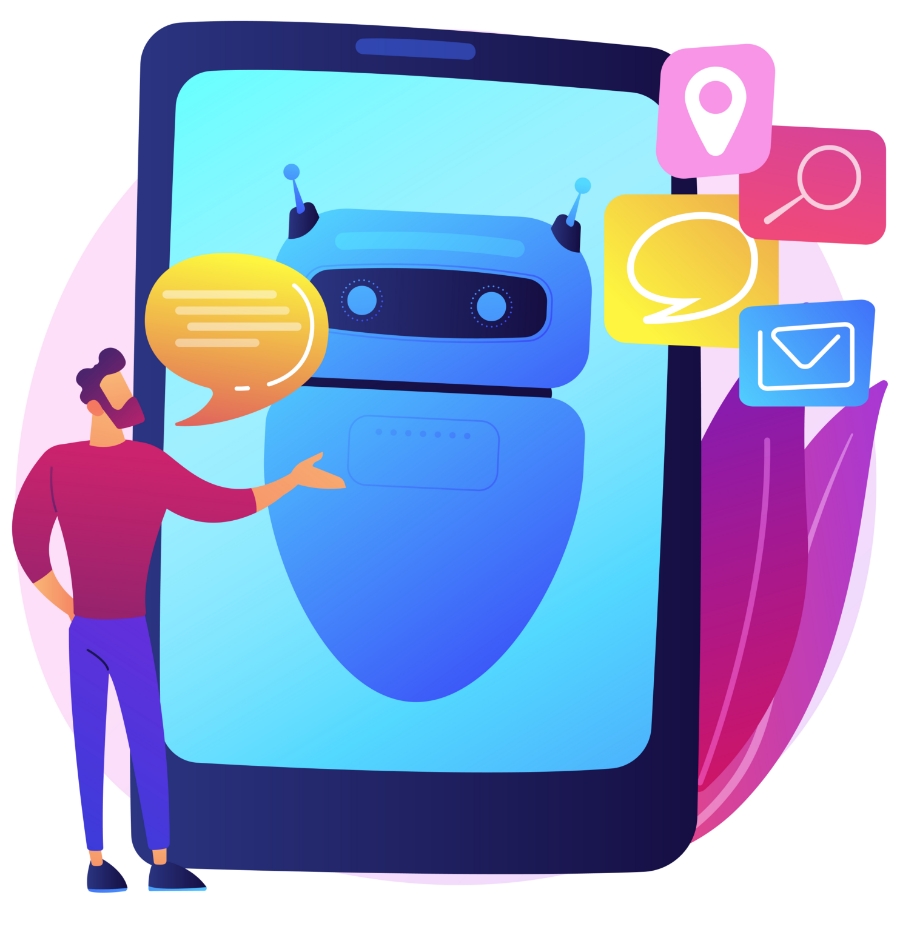
The primary goal was to automate client communication while improving customer satisfaction and operational efficiency. Our objective-driven approach focused on delivering a smart, scalable chatbot solution aligned with the client’s digital transformation vision.
The chatbot was developed to handle repetitive queries, allowing human teams to focus on high-value tasks.
By ensuring round-the-clock availability, the chatbot captured leads and engaged users even during off-hours.
The solution was designed to integrate effortlessly with the client's CRM and internal knowledge base, ensuring consistent data flow.
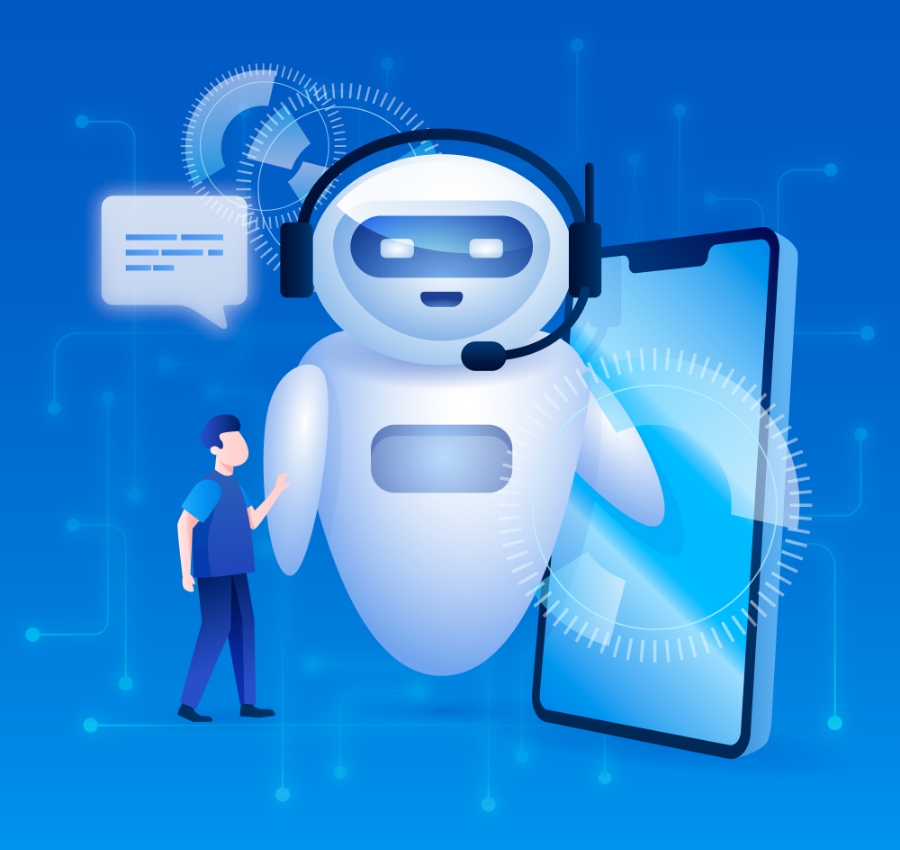
While building a smart chatbot aligned with the client’s digital transformation goals, our team encountered multiple challenges, from technical complexities to user experience expectations. Here’s how we tackled them strategically to deliver a robust, scalable solution.
Identifying User Intent Accurately
ChallengesImplemented advanced NLP algorithms and trained the chatbot on real customer conversations to improve intent recognition & deliver context-aware responses.
SolutionsEnsuring 24/7 Uptime Without Errors
ChallengesWe deployed the chatbot on a cloud-based infrastructure with auto-scaling and redundancy to ensure uninterrupted availability and stability.
SolutionsMaintaining a Human-Like Conversational Flow
ChallengesBy leveraging sentiment analysis and adaptive response models, the chatbot was able to simulate natural conversations that felt engaging and personalized.
SolutionsContinuous Learning & Improvement Post-Launch
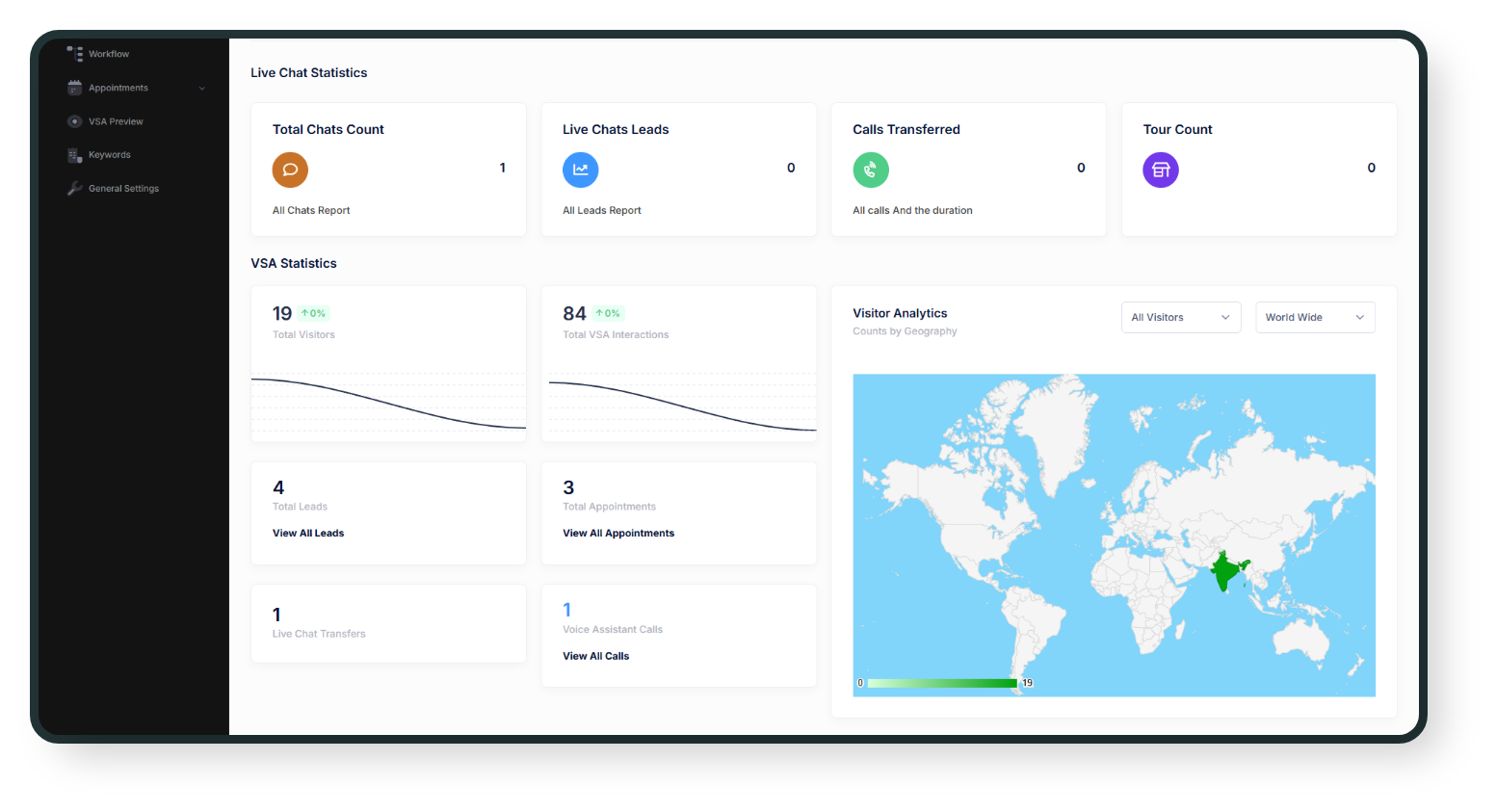
ChallengesWe established a feedback loop with analytics dashboards that enabled the client to track performance, monitor user satisfaction, and iteratively refine the chatbot using real interaction data.
SolutionsThe visual design of the chatbot prioritized simplicity, brand consistency, and user-friendliness. We crafted an interface that felt intuitive, engaging, and aligned with the client’s digital identity. From color palette to chatbot avatar, every visual element was tailored to create a conversational experience that was both welcoming and professional, ensuring seamless interaction across devices.
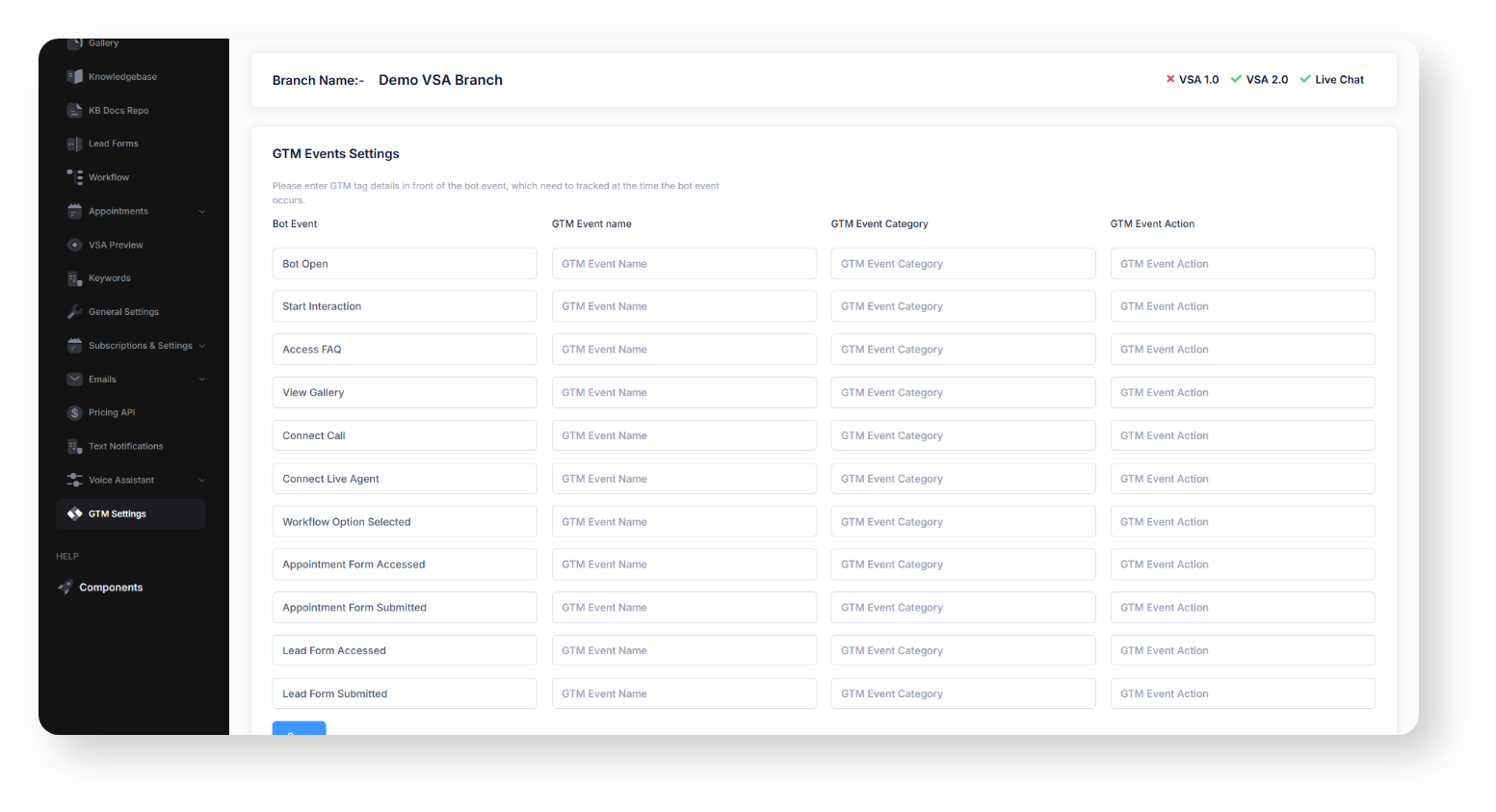

Our design process was centered around creating a chatbot experience that feels natural, intuitive, and visually aligned with the client’s brand. Every step, from research to responsiveness, was carefully planned to ensure seamless interaction and engagement.
User personas Conversation flows
Low-fidelity wireframes Chatbot interface High-fidelity UI mockups Brand’s visual tone
Custom Color Scheme Typography Matching Logo Integration Chatbot Avatar Design Tone & Voice Consistency Cohesive visual experience
Clickable prototypes Figma Stakeholders Preview conversations Suggest refinements
Early users Functionality Check Responsiveness User Feedback Review Bug Fixing
Cross-Platform Compatibility Consistent User Interface Adaptive Layouts Fast Loading