
SiteStaff Chatbot 2.0
SiteStaff Chatbot 2.0
In an era where digital responsiveness defines customer loyalty, our client, a fast-growing B2B service provider, faced a critical challenge: how to deliver round-the-clock, human-like customer interactions while scaling operations efficiently. Known for their personalized service and client-first approach, they were eager to adopt an intelligent automation solution without sacrificing authenticity. They partnered with Scrum Digital to build a next-generation AI chatbot capable of delivering smarter, faster, and more contextual communication.
The project aimed to transform their customer interaction ecosystem through the development of SiteStaff Chatbot 2.0, an advanced AI-powered conversational assistant. Our mandate was to design a chatbot that could not only respond to queries in real time but also qualify leads, offer personalized suggestions, capture data seamlessly, and learn from interactions, all while reflecting the client’s brand voice. Leveraging the latest in Natural Language Processing (NLP), sentiment analysis, and contextual memory, we created a system that offered dynamic conversations with minimal human intervention.
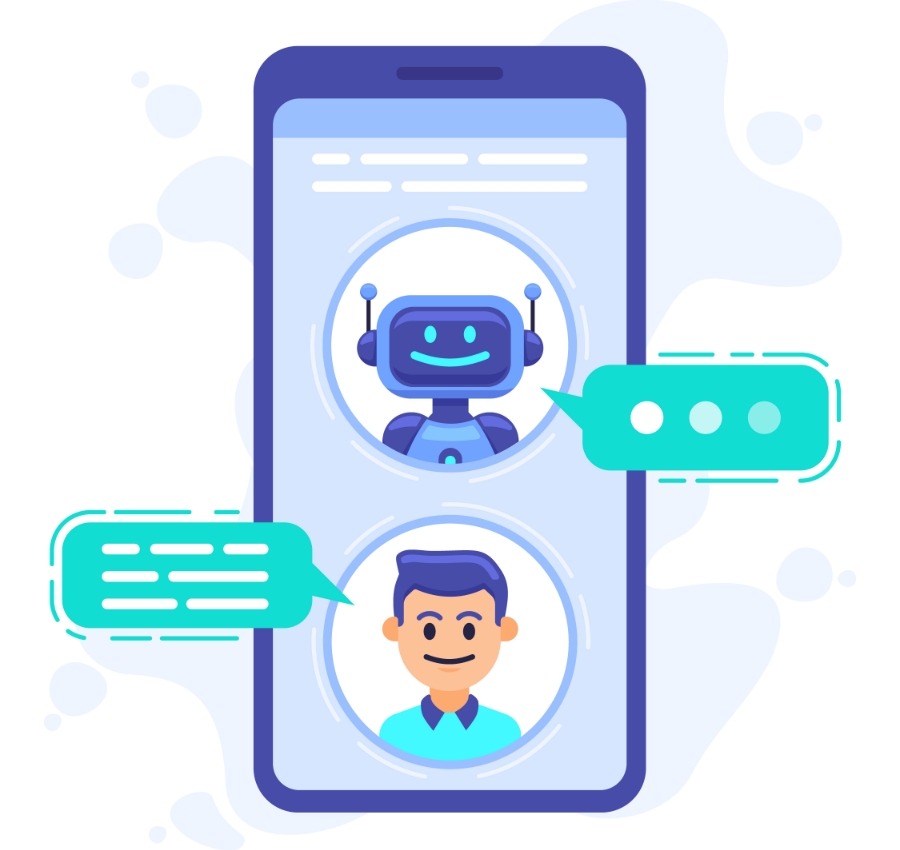
The primary goal behind developing Chatbot 2.0 was to enhance digital engagement by automating client communication while driving improvements in both customer satisfaction and internal operational efficiency. Built as a core part of the client’s digital transformation strategy, the chatbot was engineered to provide intelligent, human-like interactions at scale.
Our objective-driven development approach prioritized delivering a scalable, AI-powered chatbot solution aligned with long-term business goals and evolving customer expectations.
The advanced AI logic was structured to not only engage visitors but also qualify leads in real-time by analyzing user intent, capturing contact information, and routing high-potential prospects to sales teams instantly.
By leveraging user data and behavioral patterns, the chatbot provided tailored responses and recommendations, helping the client build meaningful connections and improve retention through personalization.
The chatbot was designed with learning capabilities, allowing it to evolve based on past interactions, feedback loops, and updates from the knowledge base, resulting in improved accuracy over time.
While building a smart chatbot aligned with the client’s digital transformation goals, our team encountered a diverse range of challenges from complex data processing to evolving user experience demands. Tackling each issue required technical ingenuity, agile methodologies, and a deep understanding of both AI and customer service dynamics.
Here's how we strategically addressed these challenges to deliver a robust, scalable chatbot solution.
Maintaining Context Across Long Dialogues.
ChallengesImplemented memory management features using context-aware flow design, enabling the chatbot to understand and recall past user inputs within a session for fluid multi-step interactions.
SolutionsIdentifying and Prioritizing Qualified Leads
ChallengesDeveloped a lead scoring engine that evaluates user responses in real-time and categorizes them based on predefined sales criteria, automatically routing hot leads to human agents.
SolutionsEnsuring the Chatbot Is Usable by All
ChallengesWe incorporated accessibility best practices, including keyboard navigation, screen reader compatibility, and simplified UI/UX for users with disabilities, making the chatbot ADA-compliant.
SolutionsContinuous Learning & Improvement Post-Launch.
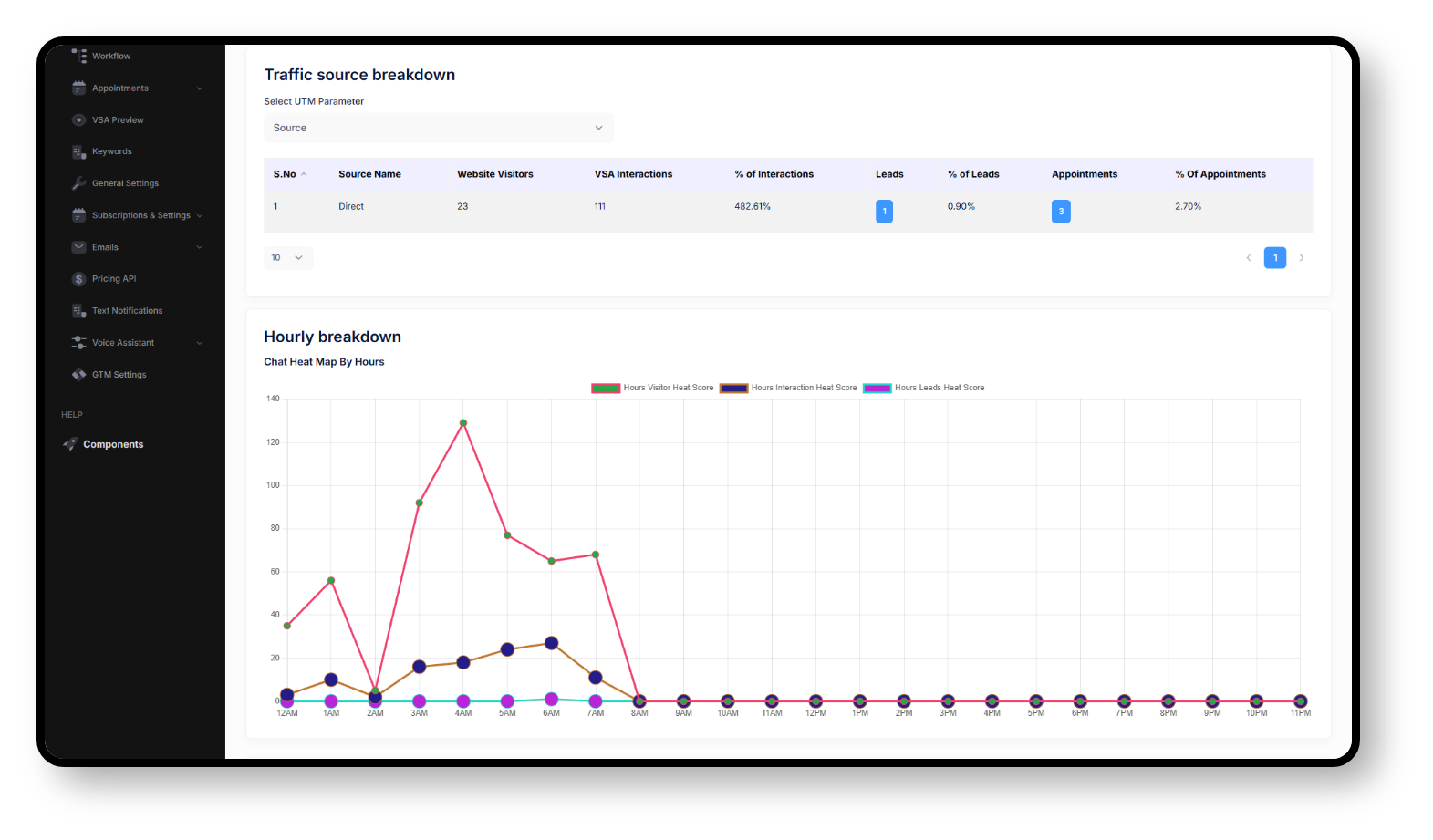
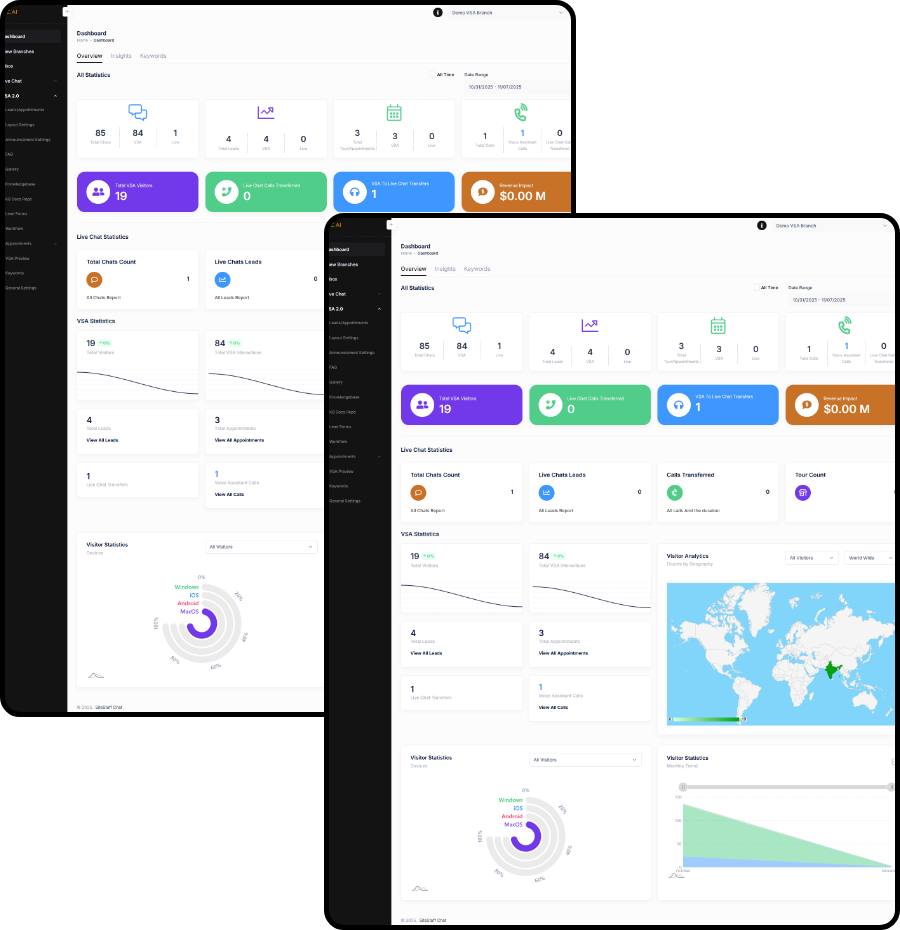
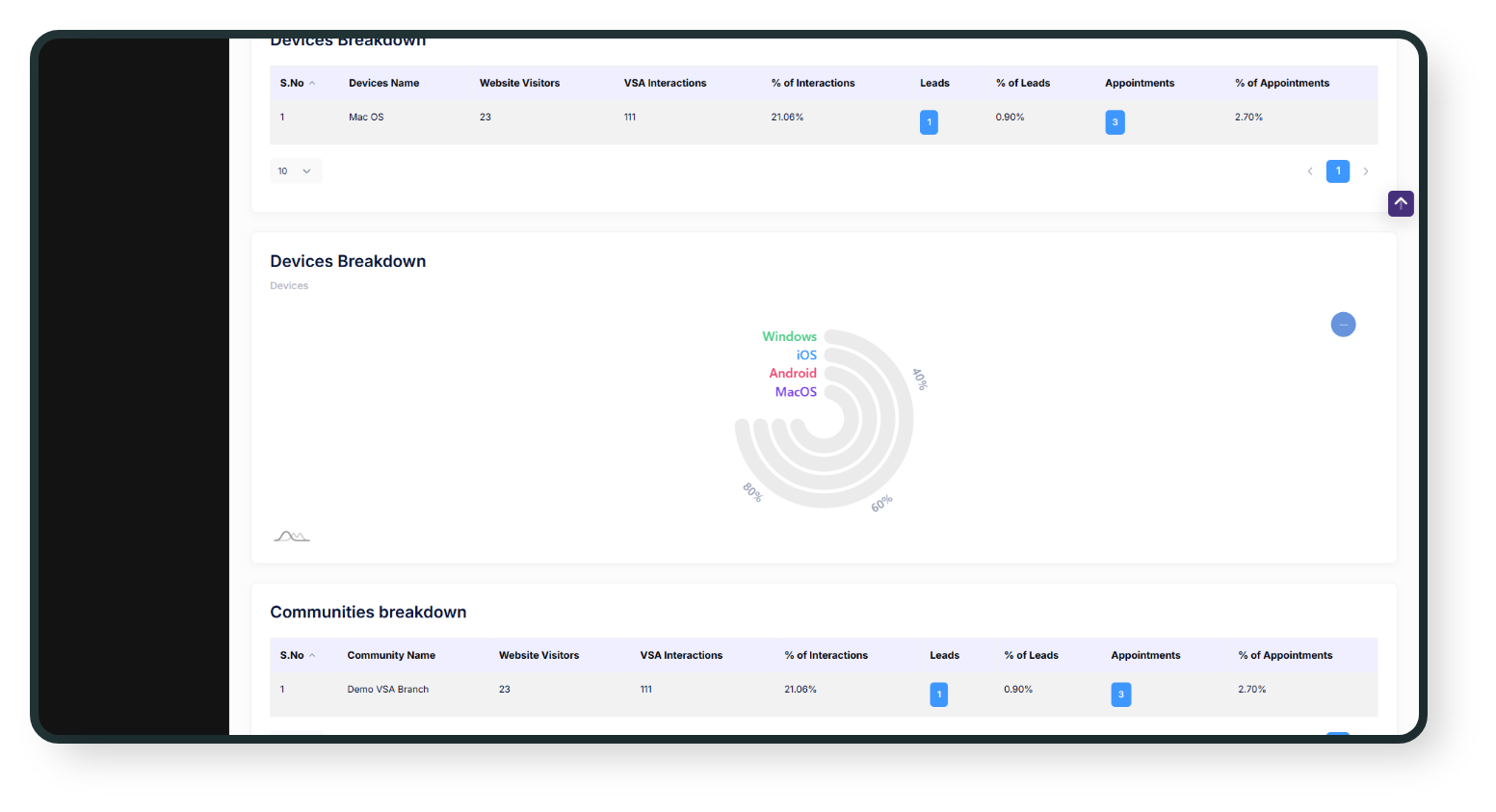
ChallengesA performance monitoring dashboard and real-time analytics allowed us to track usage trends, detect drop-off points, and fine-tune responses. User feedback was looped back into chatbot training to ensure continuous evolution.
SolutionsThe visual design of Chatbot 2.0 was meticulously crafted to strike the perfect balance between functionality, aesthetics, and brand consistency. Simplicity remained at the core of our design philosophy, ensuring that the interface was intuitive and accessible for users of all technical backgrounds. Every visual element from typography to micro-interactions was designed to enhance user engagement without overwhelming the experience.
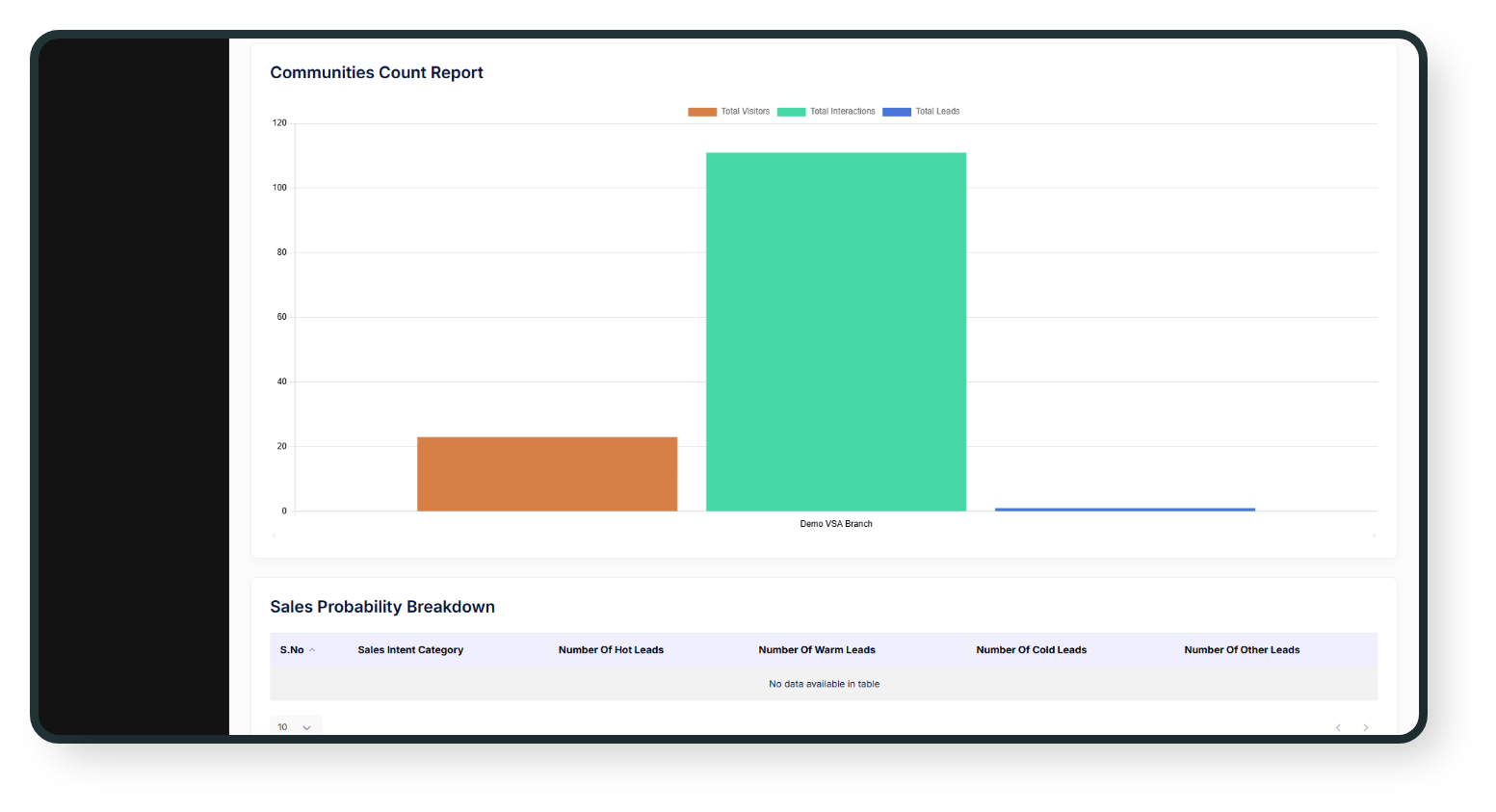
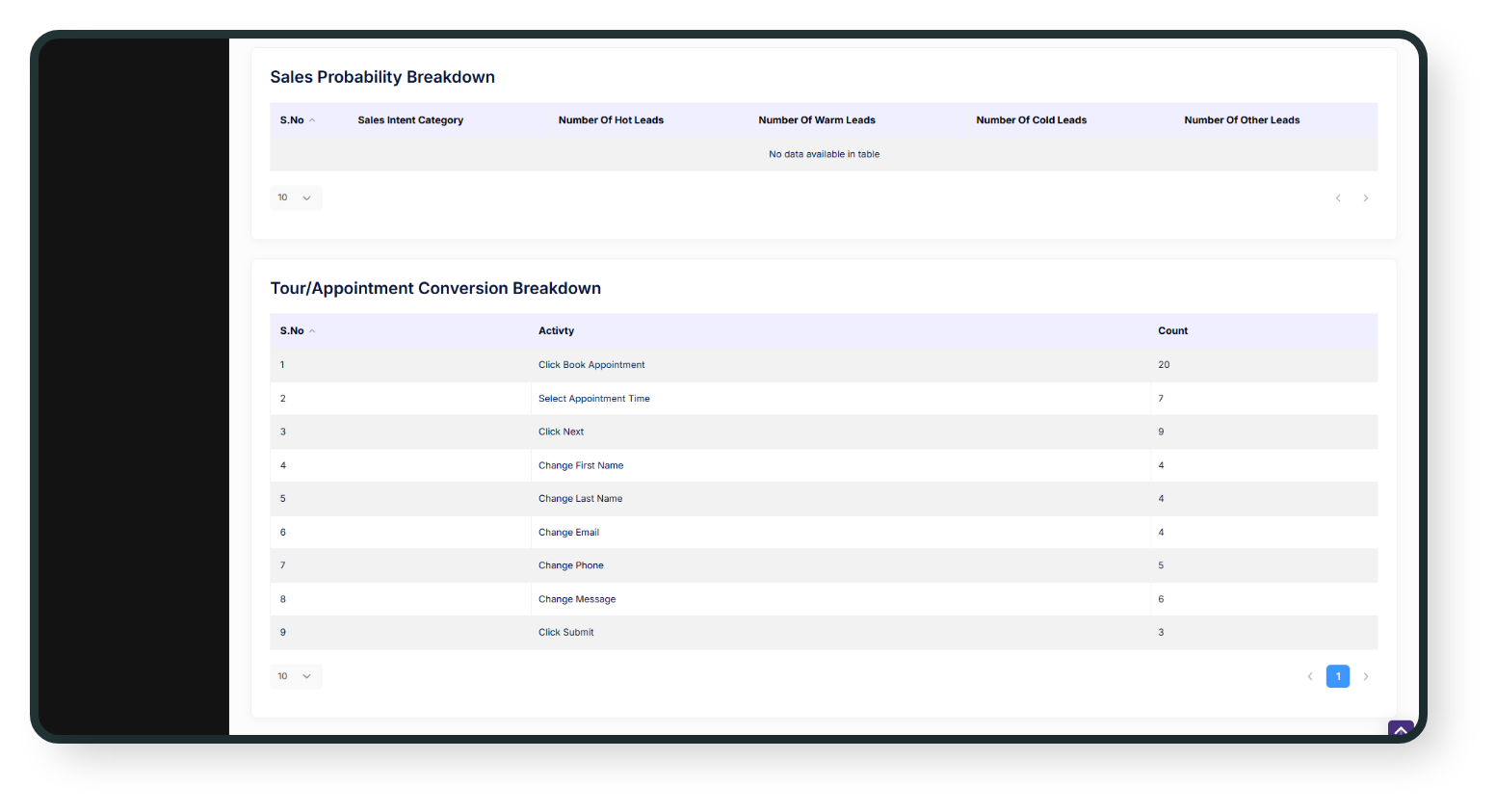
Our design process was centered around creating a chatbot experience that feels natural, intuitive, and visually aligned with the client’s brand. Every step, from research to responsiveness, was carefully planned to ensure seamless interaction and engagement.
User personas Conversation flows
Low-fidelity wireframes Chatbot interface High-fidelity UI mockups Brand’s visual tone
Custom Color Scheme Typography Matching Logo Integration Chatbot Avatar Design Tone & Voice Consistency Cohesive visual experience
Clickable prototypes Figma Stakeholders Preview conversations Suggest refinements
Early users Functionality Check Responsiveness User Feedback Review Bug Fixing
Cross-Platform Compatibility Consistent User Interface Adaptive Layouts Fast Loading